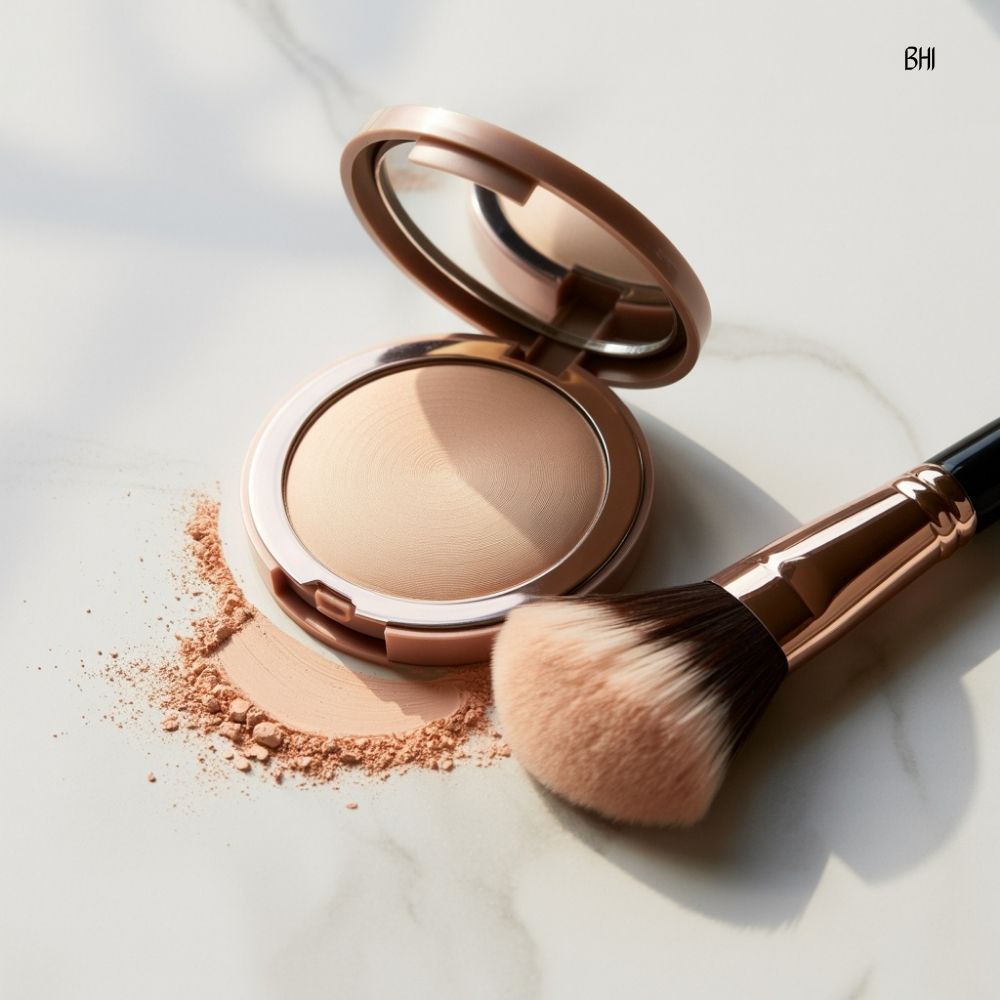
The first time my makeup looked chalky and tight before I’d even left the house, I assumed it was because I used too much powder. That explanation felt simple and obvious, so I accepted it without thinking more deeply.
But as the same issue kept happening on certain days and completely disappearing on others, I started paying closer attention. I traced back each moment when my face felt overly matte, too still, or strangely heavy.
I realized it wasn’t always about the powder itself. It was about the state of my skin, the humidity in the room, the temperature of my face, and how long my base had been sitting before I set it.
Once I figured that out, I stopped blaming the product and started testing ways to rebalance the surface of the skin. I didn’t want to start over; I wanted something that reversed the chalkiness without disturbing the rest of my makeup.
What Over-Powdered Skin Actually Looks Like and Why Most Fixes Make It Worse
Over-powdering doesn’t always look like a white cast. Sometimes it looks like a thin film that refuses to merge with the base beneath it.
When this happens, most people instinctively reach for a setting spray, thinking the moisture will melt everything together. Sometimes it works, but other times it creates an uneven sheen that emphasizes texture instead of dissolving it.
The problem with using a mist alone is that the droplets sit on top of the powder and don’t always penetrate it evenly. That’s why mist-only fixes often result in:
- shiny patches
- cakiness around the nose
- weird streaking
- makeup that separates later in the day
Powder doesn’t automatically melt just because water touches it; it melts when moisture and pressure meet in the correct proportion.
The Day I Accidentally Discovered My Fast Fix
This fix came from a rushed morning. I was running late, I set my face too quickly, and when I looked in the mirror the powder clung to every micro-line I didn’t even realize was there.
I didn’t have time to redo my base, and I didn’t want to spray my face heavily because I knew I’d end up looking glossy rather than balanced.
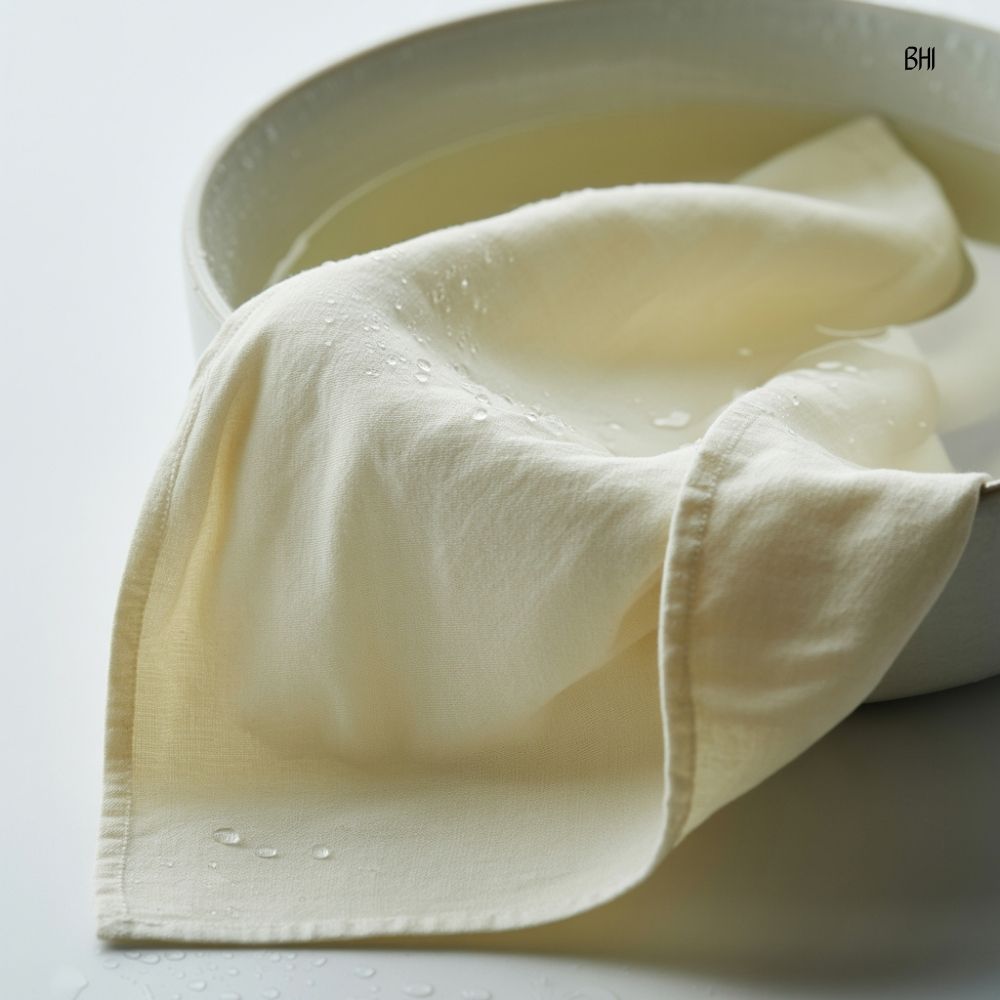
Without thinking, I grabbed a barely damp microfiber cloth I had used earlier to wipe down my vanity. I pressed the soft, cool side of it very lightly against my cheek.
When I lifted the cloth, the difference was subtle but immediate. The powder shift was even. The blotchy dryness loosened. The skin looked like skin again.
I realized what had happened only once I repeated the process a few more times. The combination of:
- coolness from the cloth
- trace moisture
- gentle pressure
was enough to reactivate the powder without breaking the base. It became the foundation for a method I still use whenever powder misbehaves.
Why This Technique Works When Other Methods Don’t
Most over-powder corrections fail because they attempt to fix the surface without adjusting the internal temperature of the skin. When the face is warm, powder melts in unpredictable patterns and clings to some areas more than others, which is why texture becomes so visible.
Cooling the skin slightly resets the powder’s behavior. The dampness then reintroduces balance, and the pressure distributes the moisture without shifting product underneath.
It sounds simple, but there is a reason it works consistently:
- The coolness slows down product movement.
- The moisture softens the powder evenly.
- The pressure forces a micro-merge between layers.
For a formula that is finicky by nature, this combination creates order.
The Fast Fix Method
What you need:
- A clean microfiber cloth or the softest cotton pad you own
- Cool water (not cold, not warm)
- A light mist or toner (optional)
How I do it:
- Lightly dampen the cloth. It should feel cool and soft, not wet.
- Fold it so you have a flat, smooth surface.
- Press the cloth gently against the over-powdered area for two to three seconds.
- Lift, check, and repeat only where needed.
- If the skin still feels too matte, mist once into the air and walk your face through the mist for a barely-there veil.
You are simply transferring controlled moisture.
The First Time I Realized This Was More Than a One-Off Fix
I used this trick again a week later on a day when the air in my room felt unusually dry. My powder grabbed immediately and refused to blend out on its own. Instead of panicking or brushing more product on top, I reached for the cloth.
The same subtle reset happened instantly. The powder softened, the heaviness disappeared, and my skin returned to a fresher state without looking dewy.
It wasn’t a fluke. It was a predictable reaction based on three conditions:
- Surface moisture
- Temperature reduction
- Even pressure distribution
Once those conditions became clear, the method stopped feeling like a quick fix and started feeling like a reliable tool.
How This Fix Interacts With Different Base Products
One thing I love about this method is how universally compatible it is. I’ve used it on:
- tinted moisturizers
- sheer foundations
- satin formulas
- matte products
- sunscreen + powder combinations
It works because it doesn’t disturb the underlying base. It simply encourages the powder to settle into a more natural alignment.
With sheer bases
The method adds just enough moisture to make the powder feel like a second skin rather than a layer sitting on top.
With matte bases
It prevents the double-matte effect that makes makeup look heavy.
With sunscreen
It eliminates the chalky, thick finish that sometimes develops when SPF meets powder in dry environments.
Because this technique focuses on re-balancing rather than removing, it adapts to whatever base you’re wearing.
What This Method Taught Me About Powder in General
Powder behaves like a fabric, it holds shape or collapses based on:
- heat
- pressure
- moisture content
- airflow
- surface oil levels
So instead of treating powder as something static, I now treat it as something responsive.
This fix helped me understand powder in a more forgiving way. Powder isn’t stubborn. It simply needs the right conditions to settle correctly. And the moment those conditions shift, you can guide it back without undoing your entire routine.
A Closing Reflection From Juno Wilde
This technique is small and almost too simple to take seriously at first glance, but it has saved my base more times than I can count. The reason it works is because it respects the structure already on your face.
It gently reminds the powder how it’s meant to behave. It gives you a second chance at balance without making you start over.
And that’s the kind of solution I return to again and again: one that responds to the environment, listens to the skin, and adjusts with precision rather than force.