There was a stretch of time (longer than I’d like to admit) when my makeup routine felt chaotic simply because life felt chaotic. I wasn’t intentionally simplifying anything. I was forgetting steps, cutting corners, repeating mistakes, and trying to follow techniques that suited someone else’s face more than mine.
I would start my morning thinking I had enough time to do everything I planned, only to find myself rushing through half-applied makeup minutes before stepping out the door. Some days, I skipped makeup entirely. Other days, I applied too much in an attempt to make up for the days I had skipped.
The inconsistency wasn’t about preference. It was about bandwidth. When life becomes one long list of responsibilities, the extra steps lose their purpose. There isn’t enough time to blend for ten minutes, layer carefully, or follow routines built for slow mornings.
It was during this period that I began noticing which steps I still reached for on the days when everything felt off. They were the steps that made my face feel aligned with itself. I didn’t choose them deliberately. They revealed themselves through repetition.
How I Identified the Steps That Survived Bad Days
I didn’t conduct a structured experiment. I simply paid attention to patterns that appeared during mornings when I had limited energy, patience, or time. Those mornings revealed more about my true preferences than any curated routine ever had.
The steps that appeared consistently usually shared the same qualities: they did not require precision, they did not depend on lighting conditions, and they did not demand a full face of makeup to make sense.
Eventually, I began noticing something surprising: Whenever I skipped these three steps, I didn’t feel like myself. Whenever I included them, even minimally, I looked stable again.
That stability is what allowed me to identify them as the foundation of my everyday look.
Step One: Restoring Structure Around the Eyes
The first step that never disappeared from my routine was something I once considered optional: adding subtle definition to the eyes. What I returned to, over and over, was the simple act of restoring structure.
On tired mornings, my face loses some of its natural contrast. I’m not talking about fatigue that can be concealed with pigment. I’m talking about the neutral, everyday softness that comes from being human before you’ve fully settled into the day.
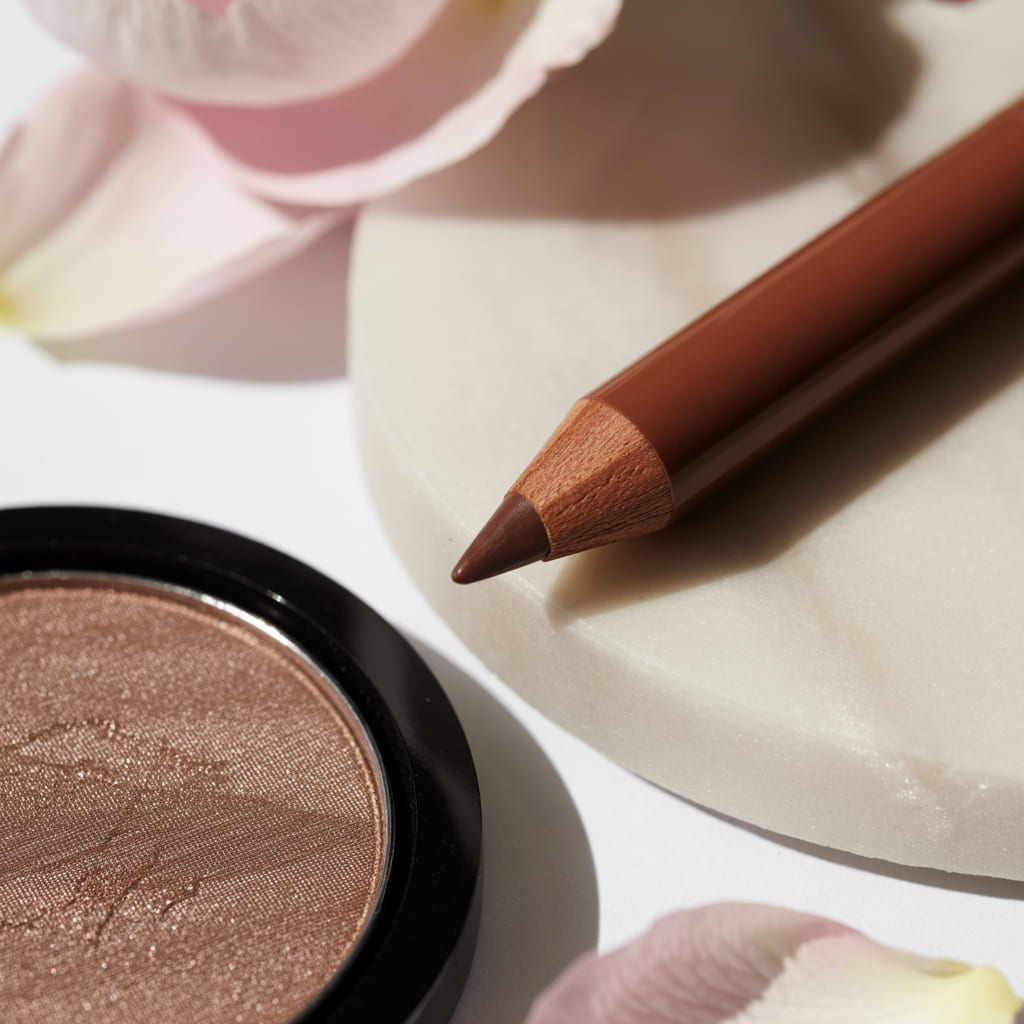
To counter that softness, I always return to one reliable technique: a thin stroke of soft brown or taupe applied close to the lash line.
It doesn’t transform anything dramatically. It simply reestablishes the edges that lighting or fatigue tends to blur. This step requires almost no precision. The line does not need to be perfect because its purpose is structural, not decorative.
With just that small adjustment, my expression feels more stable. My features look intentional instead of unfocused. And because this step is so minimal, it works in any environment.
Step Two: Returning Color to the Areas That Lose It First
This realization came gradually through seasons. In winter, my face looked washed out. In summer, it looked uneven. In spring, it looked muted. In autumn, it looked flat.
At first, I assumed my skin was simply unpredictable. It took time to understand that lighting, weather, and temperature influence the visibility of natural warmth in the face more than anything else.
When I finally identified this pattern, I began paying attention to where color fades first on tired or rushed mornings: the cheeks and the lips. Not dramatically, not in a way that demands a bold solution, but in a subtle way that softens the entire expression.
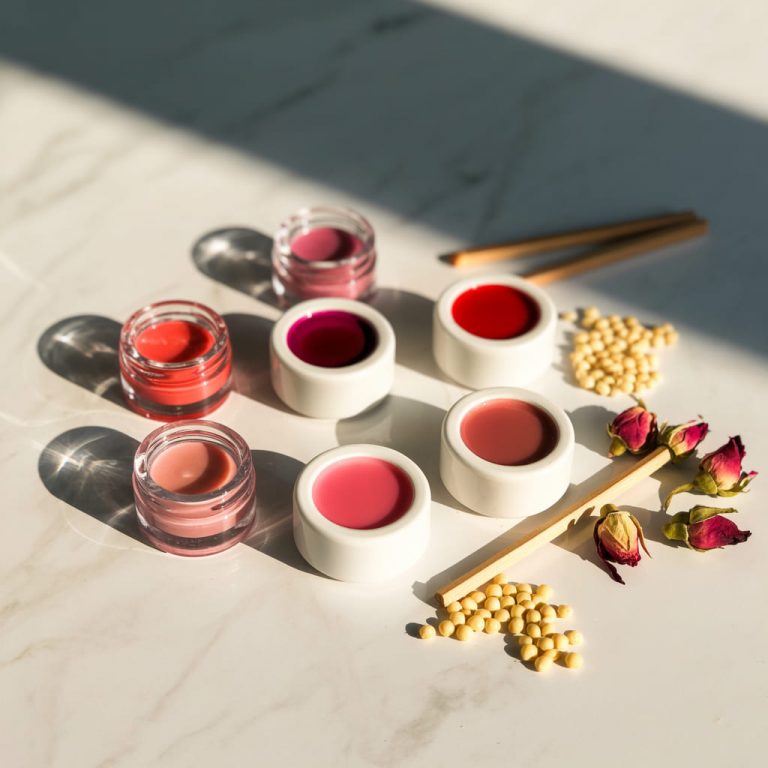
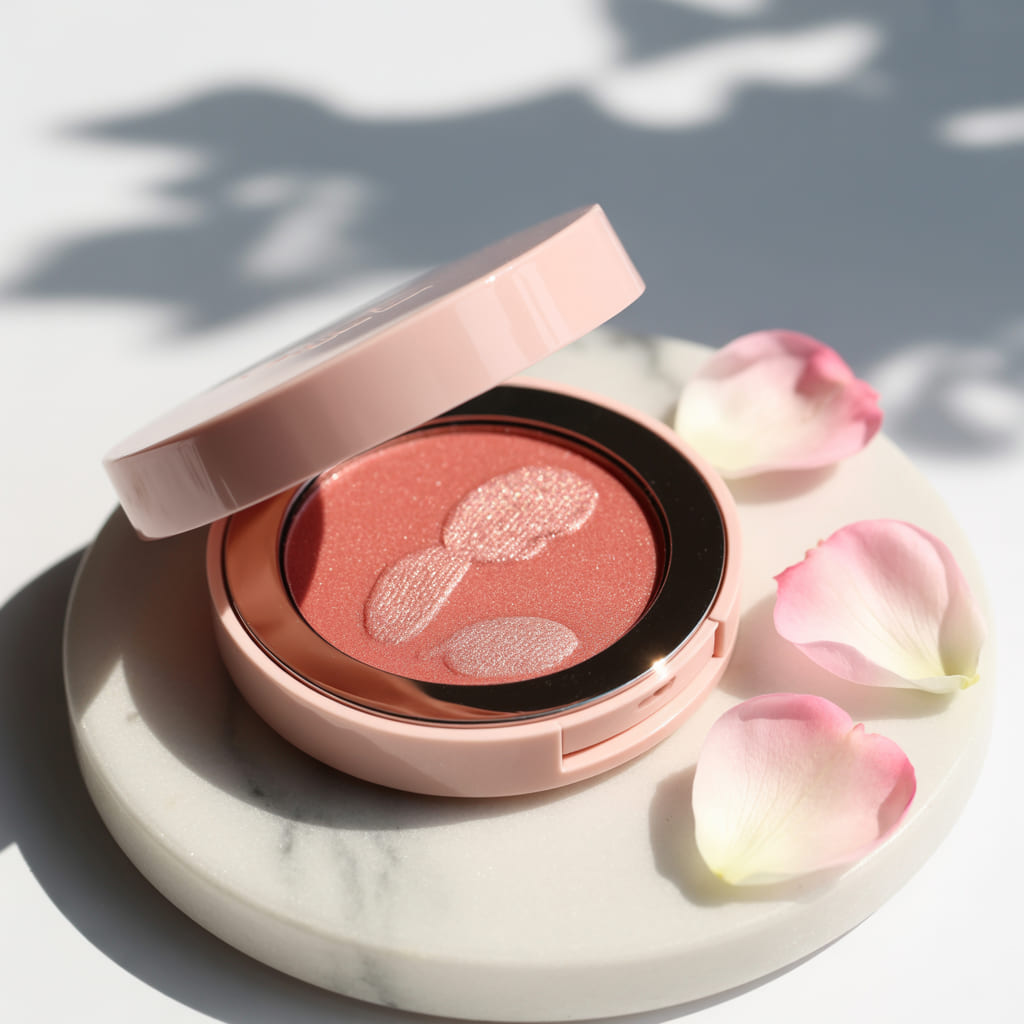
To counter this, I found myself reaching for the same approach every time: a soft, natural-toned tint that adds warmth without demanding attention.
It doesn’t function as “blush” in the traditional sense, nor as lipstick. A quiet tint that restores what the morning light sometimes hides. When placed on the cheeks, it brings dimension back to the face. When added lightly to the lips, it prevents the washed-out effect.
This step anchors the face emotionally without making it look made up. I use it even on days when I skip foundation, concealer, or any other complexion product, because restoring warmth is often enough to make everything feel aligned.
Step Three: Re-establishing the Natural Direction of My Brows
I never considered myself someone who relied heavily on brow products, mostly because my brows have always had a shape of their own. But what I didn’t realize for many years was that my brows determined more about my expression than any other single feature.
When left completely untouched, they tend to fall slightly downward, softening my eyes and flattening the upper part of my face. On well-rested days, this wasn’t a problem. On tired days, it became one.
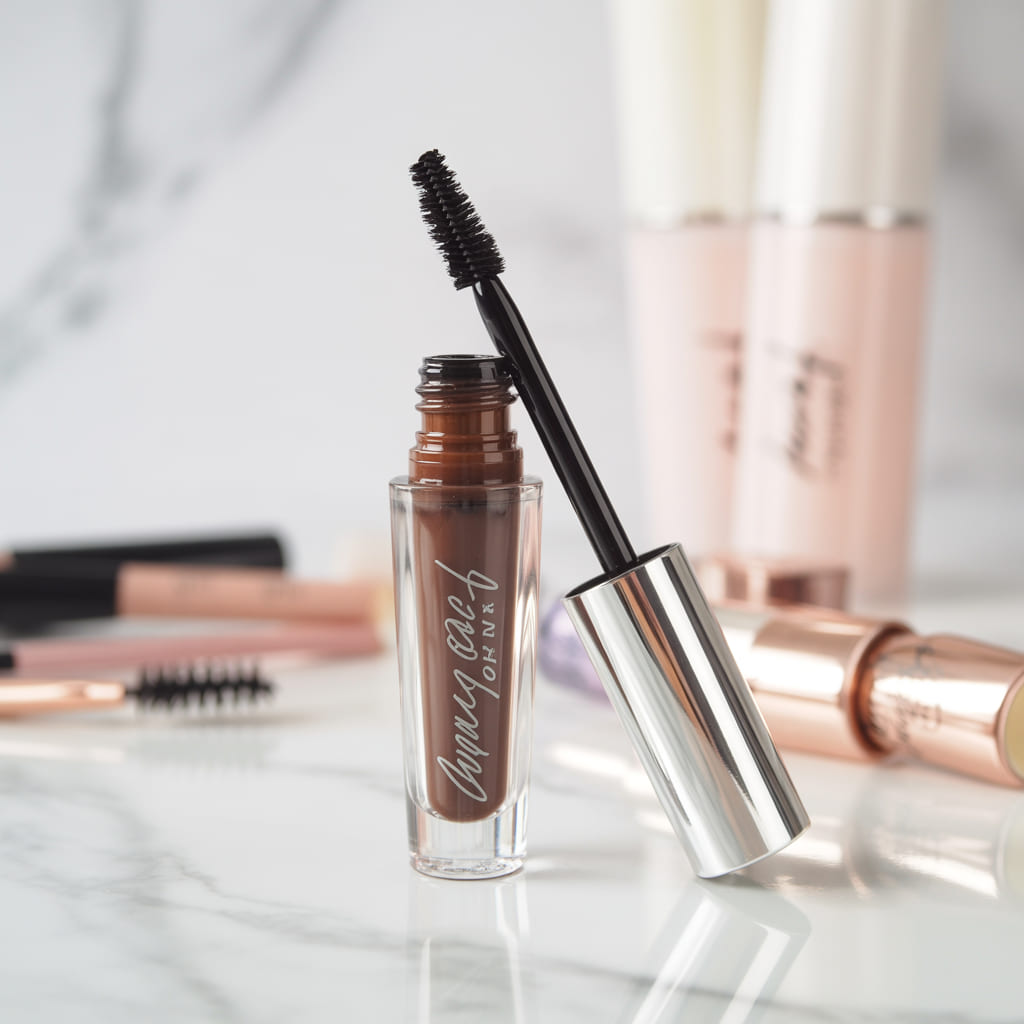
The moment I understood this was the moment I recognized the third step I never skip: redirecting my brows back to their natural lift. It requires one small action: brushing them upward and outward along their natural line. If needed, I add the smallest amount of a clear or lightly tinted gel just to maintain the direction.
Brows frame the upper third of the face. When they sit correctly, everything beneath them looks proportionate. When they droop, the entire expression follows. Once I saw this connection, I couldn’t unsee it.
Even on days when I apply no makeup at all, I still brush my brows. It is the first thing I do before leaving the house and the last thing I do after washing my face at night. This step takes seconds, yet it changes the way my whole face appears.
How I Built My Routine Around These Three Steps
Once I recognized these steps as the core of my everyday look, I stopped expecting myself to maintain long routines. Instead, I built outward from what already felt stable.
If I have extra time, I add to these steps. If I have no time, I rely on only them. If I am somewhere in between, I let the day decide what else belongs.
This approach made my routine feel flexible instead of rigid, and predictable instead of overwhelming. It also helped me avoid buying unnecessary products, because I could immediately identify whether something supported these steps or distracted from them.
The best part is that they work year-round, in every season, under every type of lighting, and regardless of mood or schedule. When consistency comes from understanding rather than compulsion, your routine becomes something you trust.
A Closing Perspective
I didn’t find my essential makeup steps by planning for them. They revealed themselves through repetition, through inconsistency, and through mornings when I barely felt like myself.
What survived my worst days became more valuable than what looked impressive on my best days.
- Structure around the eyes.
- Warmth where the face loses it first.
- Brows returned to their natural direction.
These are the only three steps I never skip because they make me look accurate. They reconnect me with the version of myself that feels stable, present, and grounded, even when everything else feels uncertain.