For most of my life, I never considered tap water a variable in my skincare routine. I focused on products, texture, weather, and the pace of my mornings, but water felt neutral.
So when my skin began reacting unpredictably one season, I searched for explanations in places that usually make sense. I reduced exfoliation. I switched cleansers. I changed moisturizers. I adjusted my routine to account for colder air and indoor heating.
The irritation followed a specific pattern: slight tightness after cleansing, occasional redness around the nose and cheeks, and a texture that felt drier than usual despite using the same products.
Something subtle was altering the condition of my skin, but the cause wasn’t obvious. The more I tried to solve it through products, the clearer it became that the products weren’t the issue.
Then one morning, while rinsing my face, I noticed a faint smell from the tap water, like something metallic, something sharper than usual.
It wasn’t dramatic, but it was enough for me to pause. That pause became a turning point. My skin wasn’t reacting to cleansing methods or ingredients. It was reacting to the water.
Once I considered this possibility, everything began to align.
Why Tap Water Can Disrupt a Routine Without You Realizing It
Tap water changes from season to season more dramatically than most people realize. Mineral levels shift. Chlorine increases or decreases.
Temperature fluctuations alter how skin responds to cleansing. Hard water leaves residue. Soft water dissolves products differently. The water remains clear, so the changes are invisible, but the skin registers them immediately.
I used to treat cleansing as a straightforward step without questioning the conditions behind it. But when the irritation became predictable, I started paying attention to the way my skin felt immediately after contact with water rather than after products.
This realization reframed the entire cleansing process. The goal became not to remove the cleanser, but to remove the cleanser without exposing my skin to water it couldn’t tolerate.
The Morning I Tested a Theory That Completely Shifted My Routine
Once I suspected tap water, I decided to conduct a controlled test. I removed all variables. I used only a basic gentle cleanser I had relied on for years.
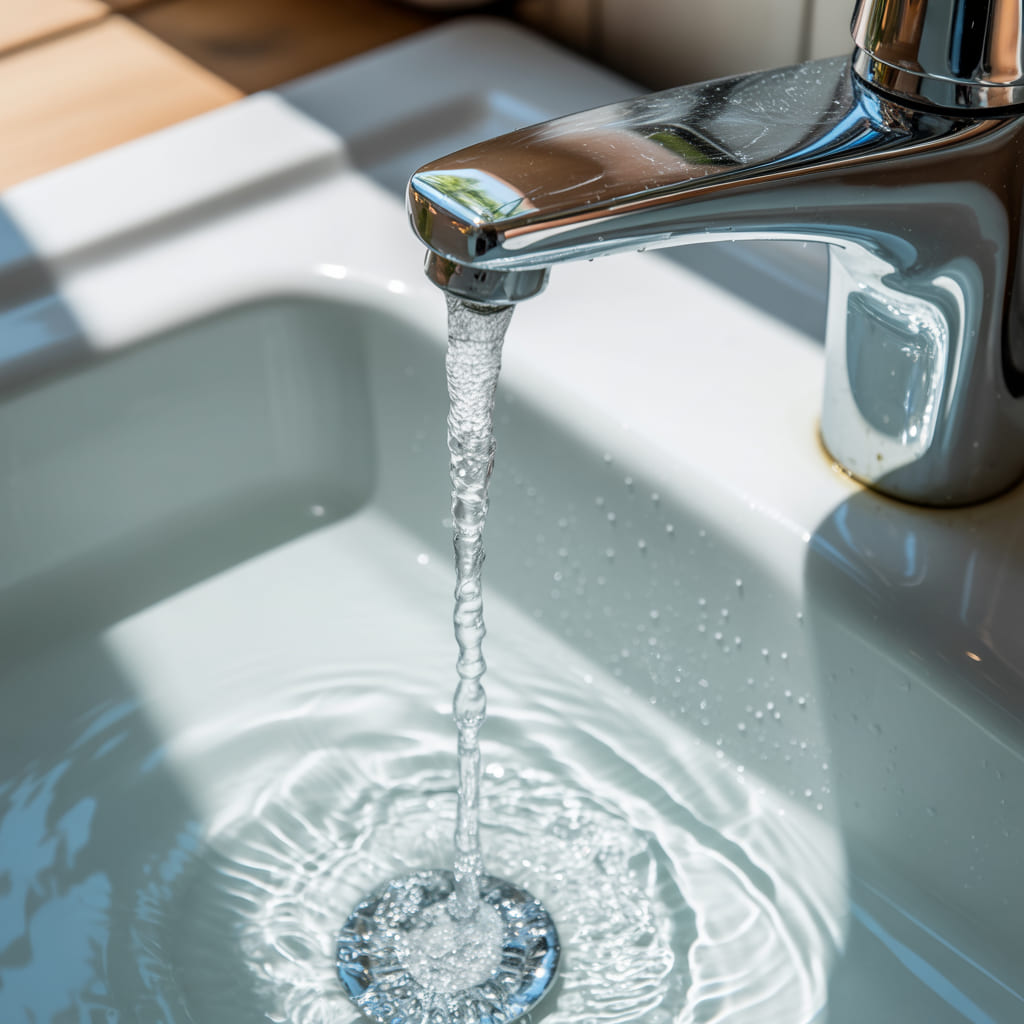
The only modification I made was the water source. Instead of rinsing with tap water, I rinsed using filtered water from my kitchen. It wasn’t a dramatic experiment. I didn’t expect a dramatic outcome. But the difference was immediate.
My skin didn’t tighten afterward. The slight redness that usually formed near my nose didn’t appear. The surface felt smoother, not stripped. The change was subtle but unmistakable. It was enough to confirm that the water had been the problem all along.
That single test led me to design an entirely new approach to cleansing, one that eliminated the reliance on tap water while keeping the routine straightforward and repeatable.
Why I Needed a DIY Method Instead of Buying a New Product
I could have purchased micellar water or prepackaged cleansing pads, but those solutions felt like temporary workarounds.
My goal was consistency, not complication. So I created a cleansing method that centered on the one part of the routine I had overlooked: the water phase.
The solution needed to be simple enough to use every day, stable across seasons, and compatible with the products I already trusted. Once I understood that, the method took shape quickly.
The DIY Cleansing Method That Replaced Tap Water Completely
This cleansing method has become the most stable part of my routine, and it began with a simple shift: creating a controlled water substitute rather than relying on the tap.
The full method evolved over several weeks of observation, trial, and adjustment. What emerged is something practical rather than decorative.
Here is the structure of the method:
- Pre-cleanse with a lightweight oil to lift buildup without friction.
- Remove the oil using a soft cloth soaked in warm filtered water.
- Apply a gentle cleanser directly to dry or lightly damp skin.
- Use a second cloth soaked in filtered water to remove the cleanser.
- Use a final rinse step with cool filtered water to stabilize the skin.
This approach completely removes tap water from the process without sacrificing cleanliness or comfort. Nothing abrasive. Nothing heavy. No extra products required.
What This Method Changed Immediately
The first week of using the method revealed more than I expected. My skin stopped feeling tight after cleansing. The subtle redness that appeared around certain areas faded.
The texture smoothed, not because of any active ingredients, but because the skin was no longer fighting environmental interference.
I also noticed that my moisturizer absorbed more predictably. My base makeup applied more evenly. Even my evening routine felt more stable because the morning cleanse no longer disrupted the skin.
By removing tap water from a single step, the entire routine became easier to manage.
The DIY Water Base That Made the Method Practical
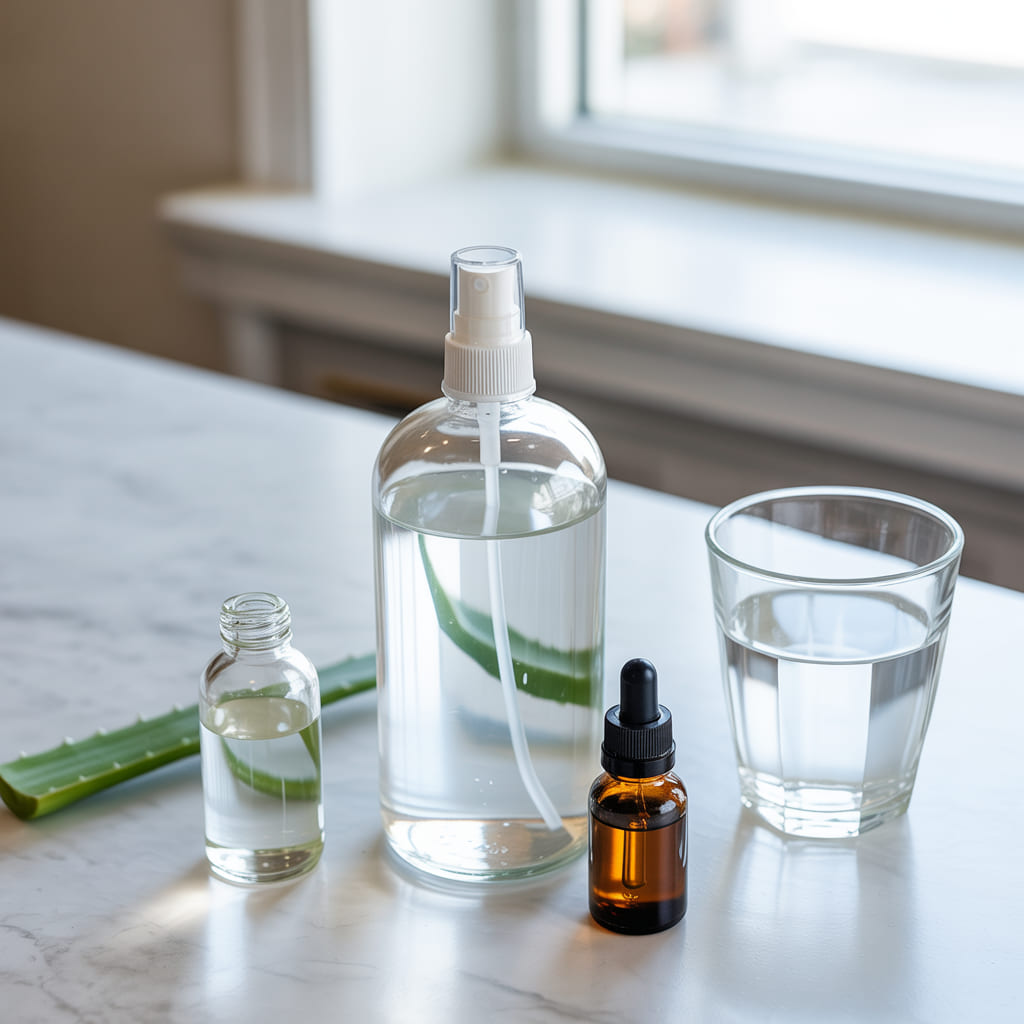
At first, I used filtered water directly from the tap’s filtration system. It was effective, but the temperature wasn’t always ideal, and transferring water repeatedly became cumbersome. To simplify the process, I created a batch of water stored specifically for cleansing.
This DIY water base is minimal but intentional. It ensures consistency, convenience, and stable temperature.
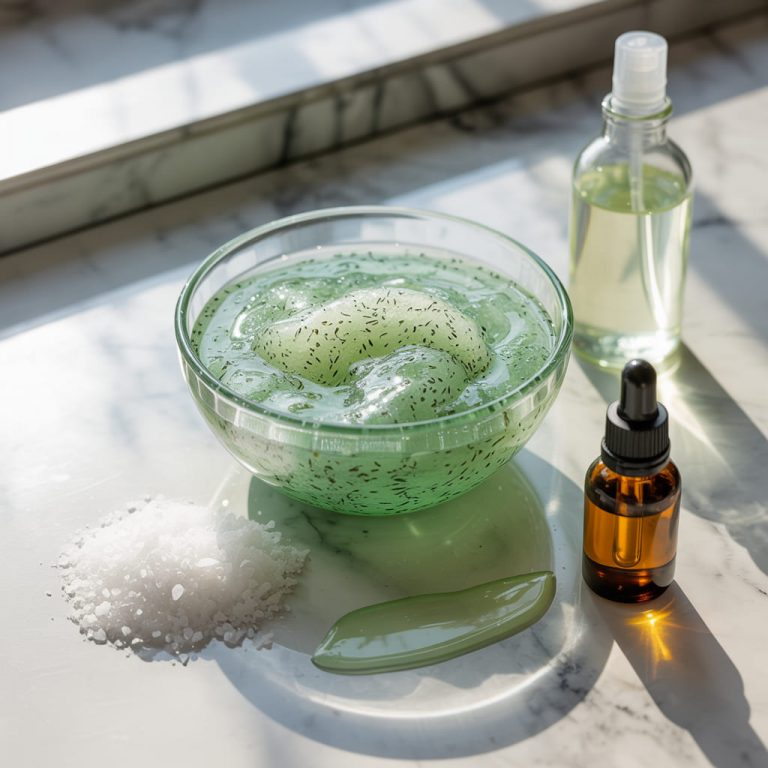
DIY Cleansing Water Base
- Start with distilled or filtered water as the base.
- Add a tiny amount of aloe vera juice (½ teaspoon per cup).
- Add a single drop of glycerin (optional for dry seasons).
- Store it in a glass container and replenish weekly.
The aloe adds softness without creating residue. The glycerin supports hydration without making the skin feel sticky. The water remains clear and neutral, which is important for consistency.
What I Learned by Observing My Skin Through the Seasons
The most informative part of this process happened months after creating the method. I kept using it through temperature shifts, humidity changes, and seasonal dryness.
The consistency remained. My skin didn’t fluctuate the way it used to during transitions. This proved the issue had never been my products or my technique.
It had always been the water. The stability of the cleansing method taught me something important: Skin prefers predictability, not novelty.
Once I eliminated the unpredictable factor, the skin responded immediately by becoming more balanced, less reactive, and more cooperative with the rest of the routine.
Why I Still Use This Method Even When Traveling
Travel often introduces new water sources: harder water, softer water, water with different mineral composition. In the past, I never understood why my routine performed differently when traveling. Now I do. The water changed.
So I bring a smaller version of the DIY cleansing water with me. It ensures that my cleansing remains stable even when the environment does not. The consistency makes unpacking, adjusting, and returning to routine much easier.
This method travels with me because the routine depends on it.
A Closing Reflection
I didn’t reinvent cleansing. I only removed a variable I had never considered. Once the water became predictable, everything else aligned.
When you identify the true cause of disruption, the solution becomes simple. Sometimes the answer is not a new product, new technique, or new trend. Sometimes it is something as basic — and as overlooked — as water.