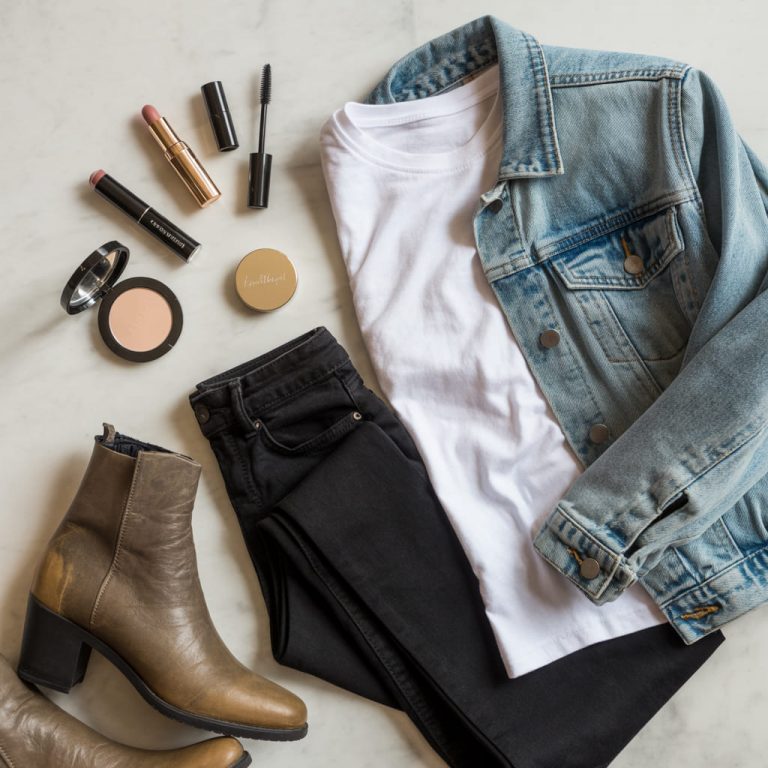
There was a period when I kept noticing something strange about my outfits. Indoors, the silhouettes looked clean and intentional. The fabric draped exactly the way I expected. The proportions matched the structure of my routine.
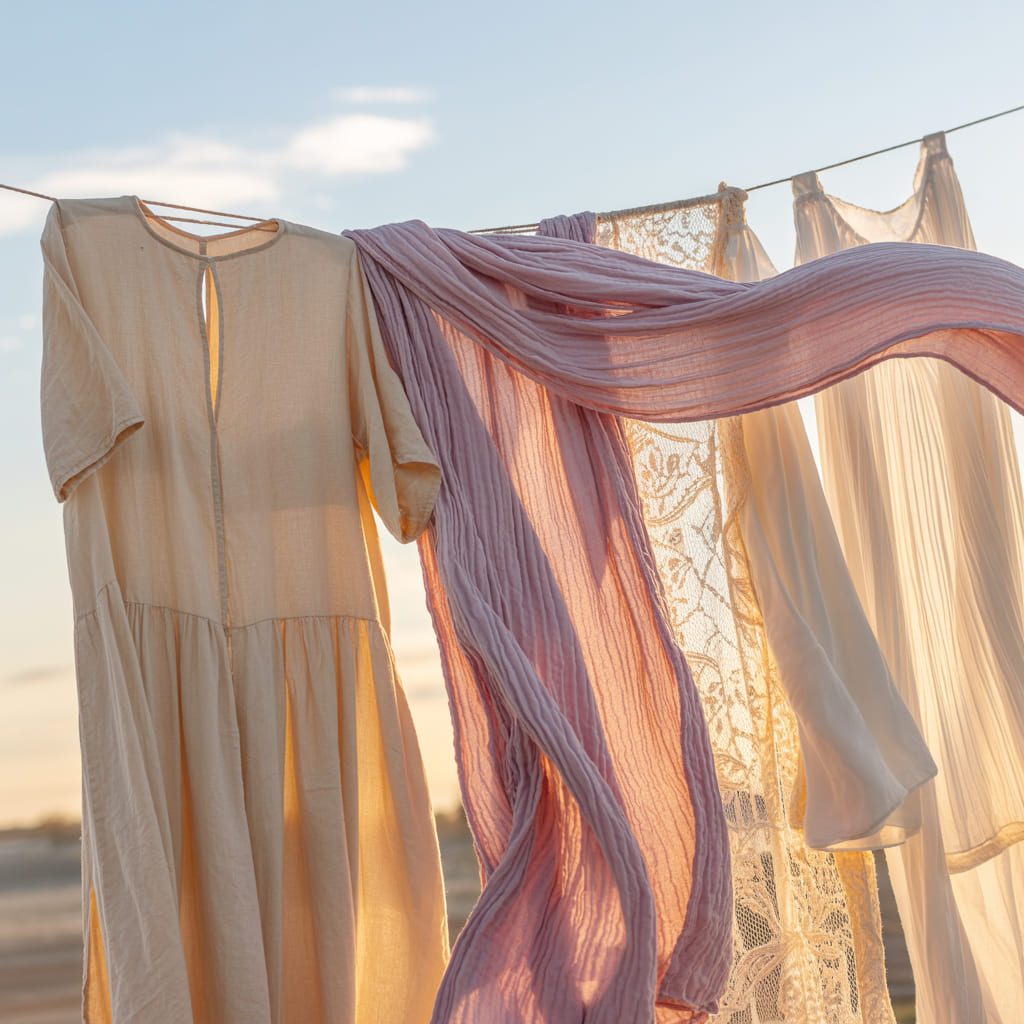
But the moment I stepped outside, especially on windy days, everything shifted. Soft fabrics that should have flowed gently began collapsing toward the body. Light tops clung where they shouldn’t. Skirts lost their shape.
At first, I assumed this was something I had to accept. Wind alters movement. Fabrics respond. The outfit transforms. But after months of watching the same thing happen, I began to notice a pattern: soft fabrics collapse only in specific conditions.
They react not just to wind, but to the direction of the wind, the temperature of the air, and the weight distribution in the fabric itself. Understanding this was the first step toward solving it.
On one particularly windy morning, I noticed how dramatically the wind had flattened the front of my shirt while lifting the back. The silhouette had turned into something I never intended to wear. That was the moment I decided to fix the problem rather than accept it.
Why Soft Fabrics Struggle in Wind More Than We Realize
Soft fabrics behave differently outdoors because they lack internal structure. Indoors, gravity dictates the shape. Outdoors, the wind overrides gravity.
Lightweight fibers respond instantly to movement, and because they have no built-in framework, they collapse against the body instead of holding their form.
Wind pushes fabric inward. Without something to resist or offset that pressure, the fabric folds, clings, or shifts unpredictably. This creates three issues:
- the silhouette collapses
- proportions distort
- balance disappears
Strong wind exaggerates these issues. Even gentle wind can reshape soft garments in a way that makes them look unstructured and imprecise. Once I understood that weight, not stiffness, was the missing element, the solution became clear.
The Failed Attempts That Helped Me Find the Real Fix
Before I found what worked, I tried several solutions that didn’t.
- I tried layering — but layers only added bulk without changing the structural problem.
- I tried tucking and re-tucking — but wind still collapsed everything above the waistband.
- I tried choosing slightly heavier fabrics — but the difference in wind resilience was inconsistent.
- I tried wearing structured jackets — but they removed the look I actually wanted to wear.
Nothing addressed the core issue: the fabric had no resistance.
It wasn’t until I thought about the problem mechanically rather than aesthetically that I found the fix. Wind collapses soft fabric because it has nothing to push against. If you give it even a small amount of structure or weight, the collapse stops.
The Quick Fix: Hidden Weight Placement
The fix came from observing how certain garments behave differently even when they are made from the same fabric. A skirt with a slightly heavier hem holds shape. A top with a reinforced neckline doesn’t collapse as easily. Fabric weight distribution creates stability.
So I added weight. The simplest way to do this was by integrating a very small, flexible weight into the hemline or lower edge of soft garments. Not something heavy enough to alter movement, but something substantial enough to act as a counterbalance.
The weight keeps the garment anchored. Anchoring prevents collapse. Preventing collapse preserves the silhouette. This is the entire logic behind the fix.
How I Created My Hidden-Weight Method Without Altering the Garment
I didn’t want to sew permanent weights into everything I owned. I wanted a fix that could transfer from garment to garment, season to season, without requiring alterations. After a few experiments, I created a simple method that worked consistently.
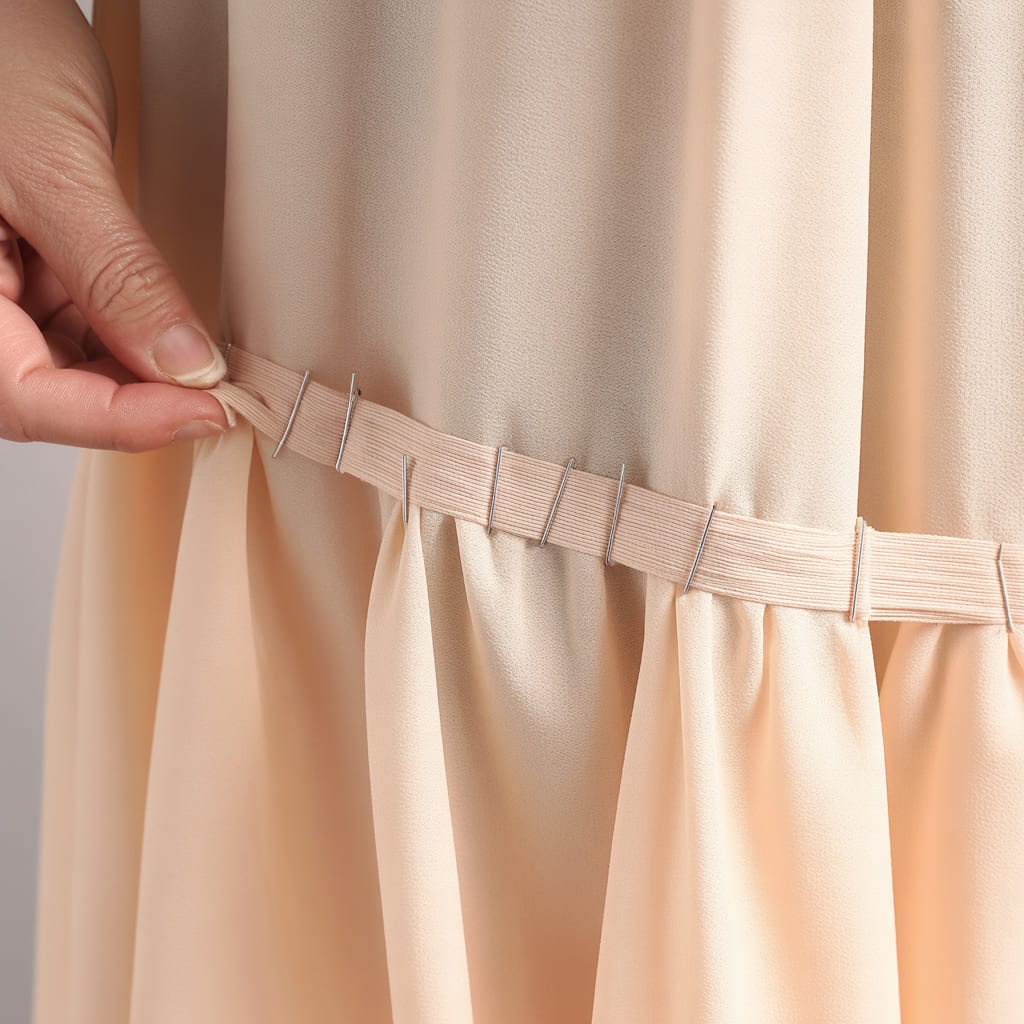
I used a small, flexible strip and attached it to the inner lower edge of soft tops or skirts using temporary micro-clips designed for fabric. These clips are soft, smooth, and leave no marks. The weight stays hidden. The garment moves naturally. But it no longer collapses.
The system is simple: a minimal amount of hidden weight stabilizes a garment without changing its appearance. The wind shifts the fabric, but the weight pulls it back into shape immediately. The garment looks the way I intended, regardless of how quickly the air moves.
How I Tested It in Real Conditions
The first time I tested this method, the wind was strong enough to distort clothing on anyone outside. But the garment I wore held its shape without clinging, collapsing, or folding inward. The difference was immediate. For the first time, my outfit looked the same outdoors as it did indoors.
On another day, when the wind was moderate and inconsistent, the fabric responded naturally, moving when the breeze lifted it but settling immediately afterward instead of collapsing. The silhouette stayed aligned. The proportions stayed accurate. The outfit looked intentional rather than disrupted.
After several days of observing the results, I realized this method worked across different weather types: strong wind, cold wind, warm wind, even light gusts that usually distort thin fabrics. The garment no longer surrendered to external conditions.
A Small Adjustment That Revealed How Much Wind Changes an Outfit
Once I started controlling for fabric collapse, I understood how much wind had been influencing proportion without me noticing. The collapse of a soft shirt shortens the torso visually.
The collapse of a lightweight skirt narrows the hips. The collapse of thin fabric near the waist changes the balance of the entire silhouette.
Wind wasn’t just altering movement. It was altering proportion. By stabilizing the fabric, the proportions stayed consistent. The outfit looked the way it was designed to look instead of being reshaped by air.
This clarity changed more than the garments I wore. It changed the way I evaluate clothing in general.
How This Method Fits Into My Routine Without Adding Complexity
One of the reasons I keep using this fix is because it doesn’t require changing my routine. It doesn’t require remembering anything complicated. It doesn’t require planning.
I keep the weights and micro-clips in a small drawer near where I get dressed, and I attach them when I know the wind will be strong enough to disrupt the outfit.
This makes soft fabrics wearable even on unpredictable days. It removes the need to change outfits because of weather. It prevents the frustration of stepping outside in an outfit that collapses instantly.
A Closing Reflection
I used to think wind was something I had to work around. But once I recognized the mechanical nature of the problem, the solution became simple. A small amount of weight, placed where the fabric needs it most, prevents collapse without changing the garment or the silhouette.
This fix taught me something I apply often now: When a routine problem keeps repeating, the cause is usually environmental, not stylistic.
Soft fabrics don’t collapse because they are flawed. They collapse because the environment overrides their structure. Give them structure and they behave exactly as intended.